Latrobe High Year 8

Our Questions

How will climate change affect us in the future?
View Answer
Climate change and its causes will affect your generation in many different ways, in Australia and elsewhere. These include rising average temperatures, more frequent and severe storms, floods and bushfires, and extinction of plants and animals. The loss of topsoil from drought, flood and wind and unpredictable weather will affect farming and could cause more frequent and severe famines. This could lead to increasing political tensions in some countries around access to resources. People and governments will need to spend more money on safety and preparedness. These impacts are all related to one another.

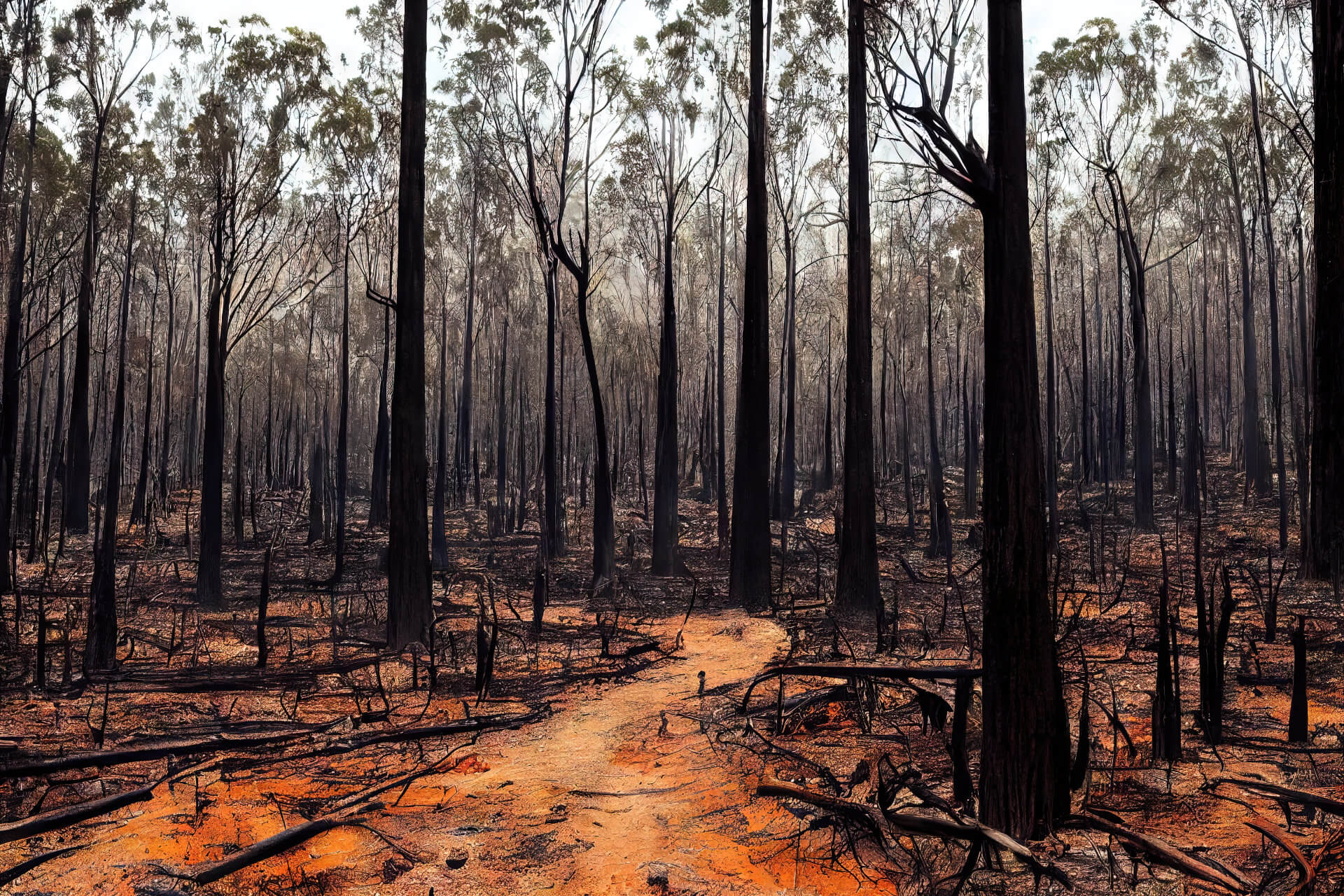
A lot of produce will become more expensive as environments change. This includes coffee and honey, and even some vegetables, fruits and meat. Campfires, burn-offs and open-flame barbeques would be restricted for longer parts of the year as fire bans become increasingly common. Take the example of the 2020 bushfires. More than 3 billion animals were impacted, forests were damaged or destroyed, and human tragedies included loss of life, health, homes and livelihoods. Crises like this would be repeated in increasingly worse fire seasons, meaning bigger and bigger expenses for fire preparedness. Taking action on climate change will not stop these impacts entirely, but it can reduce them.
Climate change and its causes impact more than the natural environment. They have knock-on impacts in health. Air, water and soil pollution will continue to cause health conditions and worsen existing ones like cardiovascular and respiratory diseases as well as cancers. While these outcomes are less common in Australia, they happen here too. People in poorer communities with fewer support structures are impacted most. Your generation will see these impacts in your lifetimes. In fact, you already have. Increased exposure to new infectious diseases in the environment has also been linked with climate change, meaning epidemics and pandemics may be a thing of the future and not just the present.
While these impacts cannot be stopped completely, there is so much that can be done to avoid the worst of it. If we rapidly reduce the greenhouse gas we emit, we can improve the future for your generation and the generations who follow you. Action on climate change now will play an important part in your future quality of life, and in the lives of many others around the world in your lifetime.
Climate change will also mean that many jobs are changing. Some of these changes offer new opportunities. For example, there are more jobs in renewable energy. Tasmania has jobs in hydro and wind electricity generation, solar power, and potentially in a new green hydrogen production industry. There are also new jobs in preparing communities for extreme weather events and becoming adapted to climate impacts.


What can I do as a teenager to help fight climate change?
View Answer
This is an excellent question, and one of the questions most students want an answer to. You can be someone who takes climate action!
Each of us can act individually (on our own) and collectively (together with others) to act on climate. We know, from scientific evidence, that climate change is happening already, and is very hard to stop – but global heating can be reduced and slowed down. People today and into the future (including you) can make changes and decisions that will greatly reduce climate change and its impacts.
Some of these decisions are happening on a systemic scale - they the really big changes we need to reduce emissions from industries and electricity generation.
For example, world leaders meet together at regular COP conferences (COP is the UN Climate Change Conference of the Parties) to try to agree on worldwide climate action, and how we can adapt to climate change impacts into the future. If we can manage to greatly reduce global greenhouse gas emissions (such as carbon dioxide) we can limit climate change.
You might wonder how young people can influence big changes like this? By using your voices! Young people are involved in many groups and movements such as the School Strikes for Climate that have already made a difference to the way world leaders think about climate action.

At a smaller scale, all of us can do something to make positive changes and have an impact on tackling climate change. Some people can do more and less than others, and that is OK - it’s great actually because lots of small changes can lead to big impact. In everyday life, there’s lot that you might be able to do, for example:
- You can aim to take the bus or walk, or ride your bike to school more.
- You could eat more vegetables, and eat meat less often (maybe even encourage your family and friends to have ‘meat free Mondays’?!). Plant-based foods generally produce fewer greenhouse gas emissions and they also require less energy, land, and water usage.
- You can speak up! Tell your friends and family about climate change and the small changes each of us can do to make a difference - remembering that we all have different abilities to make these changes, big and small.
There are a lot more ideas you can check out on our 'What can I do?' page.