Penguin District School Year 8

Our Questions
If water levels rise how long will it take for Tasmania to be underwater?
View Answer

Will most of the animals go extinct because the ecosystems are being destroyed by climate change?
View Answer


With the extinction of certain animals due to climate change how will this affect the food chain/ ecosystems?
View Answer
Climate change is already affecting ecosystems in our oceans and on land, all around the world. In many cases these effects are negative ones, such as the impact of ocean warming and acidification on coral reefs, or the effects of changing ocean temperatures on the loss of giant kelp forests off the east coast of Tasmania. Loss of key species like kelp, or groups of species like corals, can have flow-on effects to many other species that depend on them for habitat or food, and so can quite quickly cause ecosystems to change completely.
However, not all species or ecosystems are negatively affected by climate change. There are some winners as well as losers. One of the most noticeable ecological effects of climate change that we are seeing in the oceans and on land is large-scale movement of species as their habitats warm and they move (if they can) to follow the location of their preferred habitat. But of course not all species can move. Some might have limits to how far they can move (for example up a mountain), or they may not be able to move fast enough to keep up with warming temperatures.
There are lots of things that we can do to help species and ecosystems adapt to the effects of climate change. Because the Earth’s climate is changing so quickly we may need to help some species by speeding up their rate of evolution. We can reduce the number of other human impacts – like pollution or fishing – so that species and ecosystems are less vulnerable to the effects of climate change. We may be able to use technological interventions to help some species or ecosystems adapt, such as relocating them or providing them with artificial substrates.

Is it possible to reverse global warming, and if so, how can this be done?


Do you think there is an expiry date for life on earth, and if so, when do you think this is?
View Answer
What will happen to the emperor penguins in Antarctica with global warming?
View Answer
Will diseases come from icebergs / glaciers that are melting in Antartica? We think this because they may be trapped, as gases, in the glaciers and when scientists return to Tassie from Antartica, they may bring them back.
View Answer
Luckily, we can say no, dangerous diseases will not escape from melting Antarctic icebergs to infect people, and scientists will not accidentally bring them back to Tassie.
Antarctic ice is clean
When snow falls in Antarctica and gets squashed into solid glacier ice over thousands of years, it does trap tiny bubbles of ancient air. Scientists actually drill out these ice cores to sample the ancient air and see what the atmosphere was like millions of years ago! Antarctica is an isolated continent covered almost entirely by pure, clean ice. Because humans and land mammals have never really lived across the frozen interior of Antarctica, there are simply no human diseases frozen in its glaciers waiting to be released.
Diseases can be released from Arctic permafrost
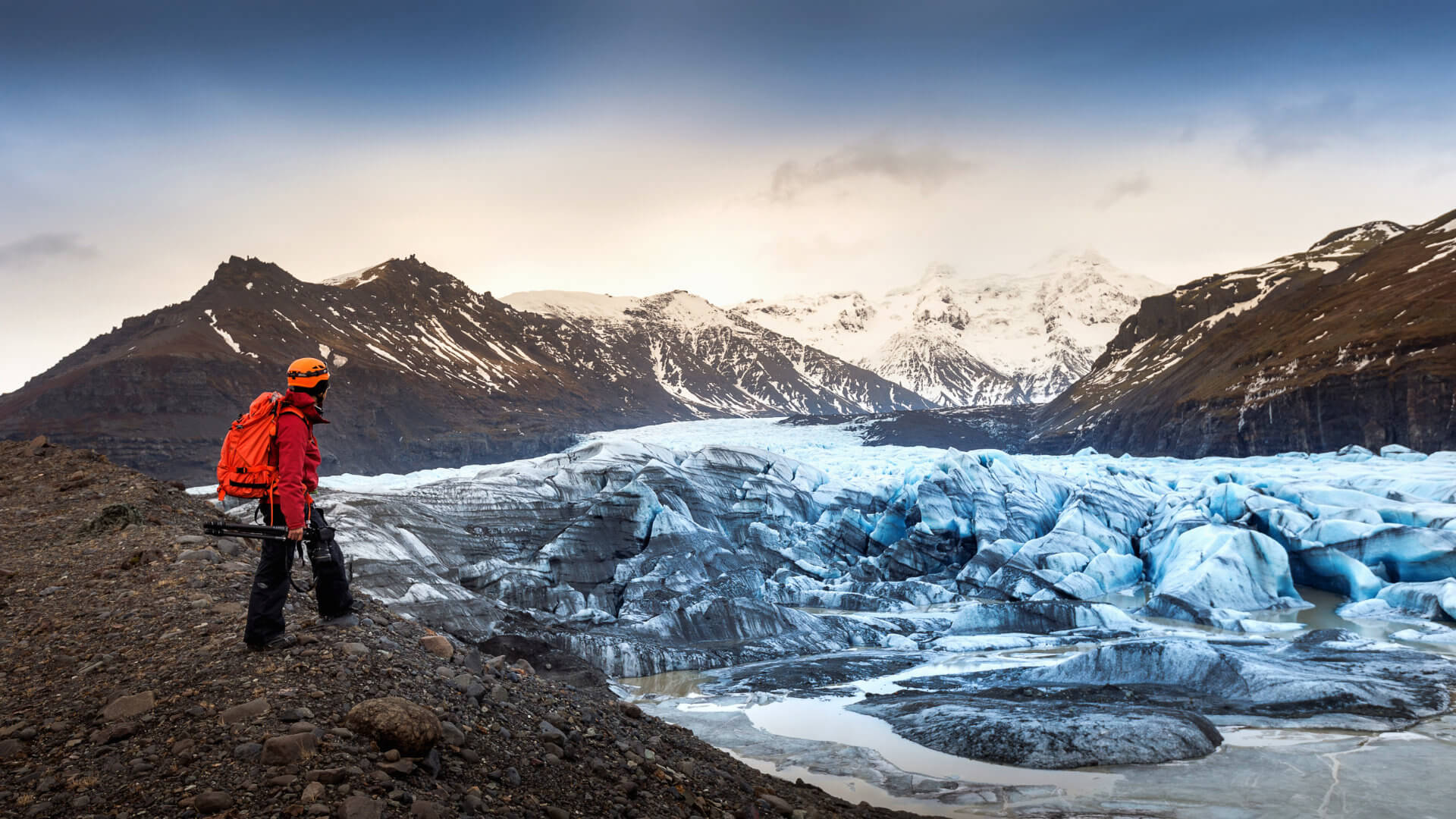
You might have heard about permafrost melting and releasing ancient diseases and bacteria. Permafrost is frozen, ancient soil, and in the Arctic (the North Pole), it can contain the bodies of ancient animals like mammoths. Permafrost is melting in the Arctic, but not in Antarctica (the South Pole). So while there is a risk of long-frozen diseases coming back in the Arctic, Antarctica is safe from these.

Antarctic scientists have strict rules to avoid spreading diseases
Scientists travelling to Antarctica are very careful not to spread diseases while they are there, and not to bring them back. One disease that Antarctic scientists are worried about is Bird Flu. This disease is affecting birds and animals in every continent except Australia and Antarctica. Some early signs have been found in Antarctica. Scientists who visit Antarctica have to wear protective equipment, disinfect all their equipment between sites, and never sit or kneel on the ground near wildlife.

Will Penguin ever become tropical?
View Answer
Penguin won’t become tropical anytime soon, but its climate has changed a lot over geological timeframes. Unlike human history, which is recorded in years, decades, and centuries, geological time operates on a scale of millions and billions of years.
Penguin 50 Million Years Ago
Tropical zones are near the Equator. Tasmania has not been in that part of the planet for hundreds of millions of years. In fact, 50 million years ago, it was further south, and attached to Antarctica! But, at that time, the land that is now Tasmania so warm it was covered in lush rainforests, and home to crocodiles and early marsupials. Why?
- Super-high levels of Greenhouse Gases: Volcanoes had been erupting for a long time, pumping massive amounts of carbon dioxide (CO2) into the air. This acted like a thick blanket around the Earth, trapping in heat.
- No Polar Ice: It was so hot that there was no ice at the North or South Poles.
- Warm Ocean Rivers: Because Australia hadn't broken away from Antarctica yet, warm ocean water from the Equator could flow straight down south, acting like a giant heater for Tasmania.
Penguin 30 million years in the future
The Earth is made of lots of tectonic plates that fit together forming the Earth’s crust. They float about on top of a layer of molten rock. The tectonic plate that includes entire Australian continent is drifting north-east, toward the Equator at about 7 centimetres every year. Penguin would need to travel over 2,000 kilometres to reach the tropics. At its current speed, it will take about 30 million years to finally arrive.
Penguin in 50 years

We don't have to wait millions of years to see the climate of Tasmania change. Because humans are burning fossil fuels, CO2 is rising again, and the climate is warming up. If countries around the world stick to their current promises to cut pollution, Tasmania's climate won't become a tropical jungle, but it will look different:
- Warmer and Drier: Temperatures will heat up by about 2-3 degrees on average. Snow and frost will become rare.
- Tropical Visitors: The ocean currents from the north are already pushing warmer water down. This means tropical fish and sea creatures are moving into Tasmanian waters.
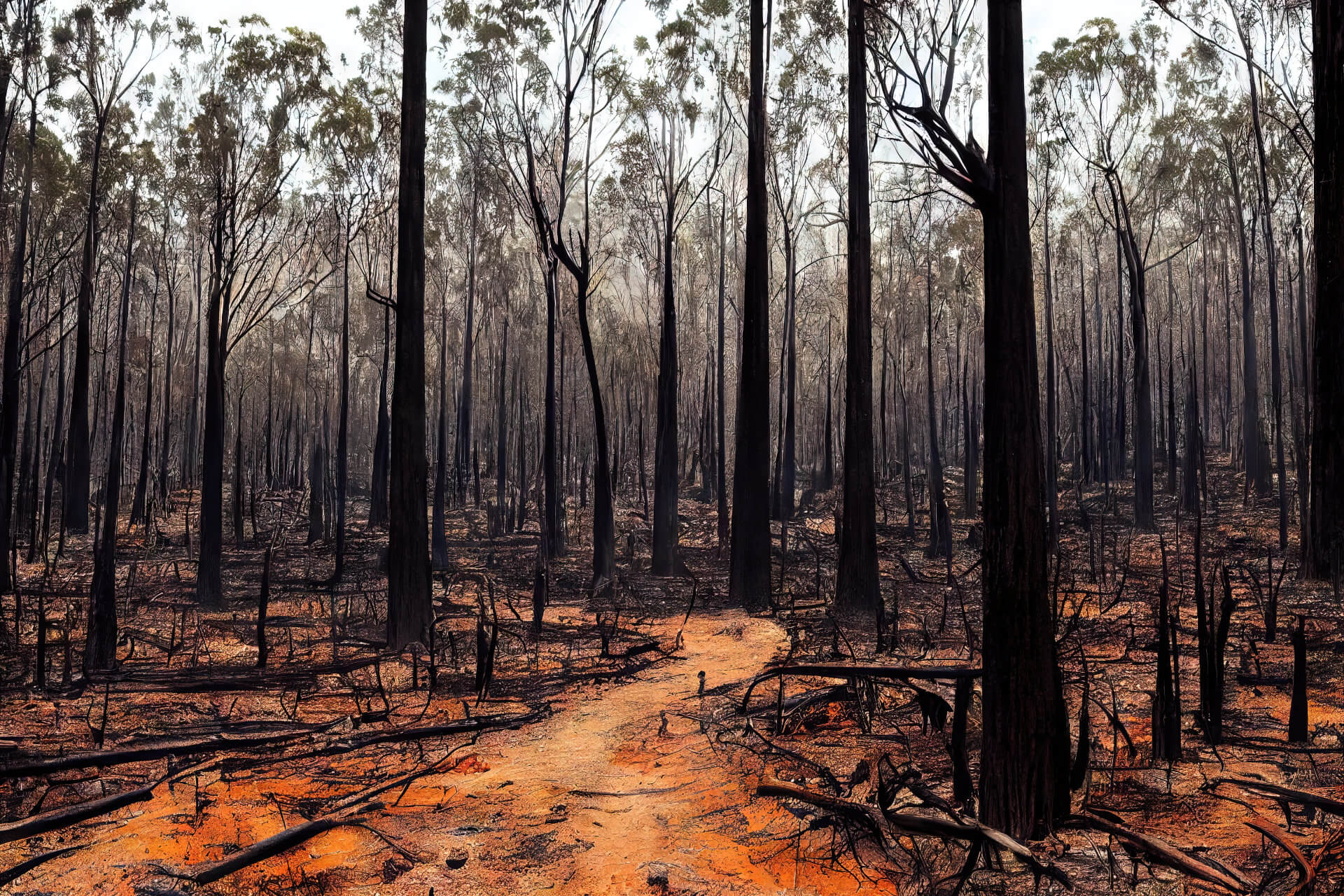
- More Extreme Weather: Instead of a tropical paradise, Tasmania will likely see more intense bushfire seasons, longer droughts, and sudden, heavy rainstorms.
So, while Tasmania won’t be tropical any time soon, the climate is warming up fast.